Introduction
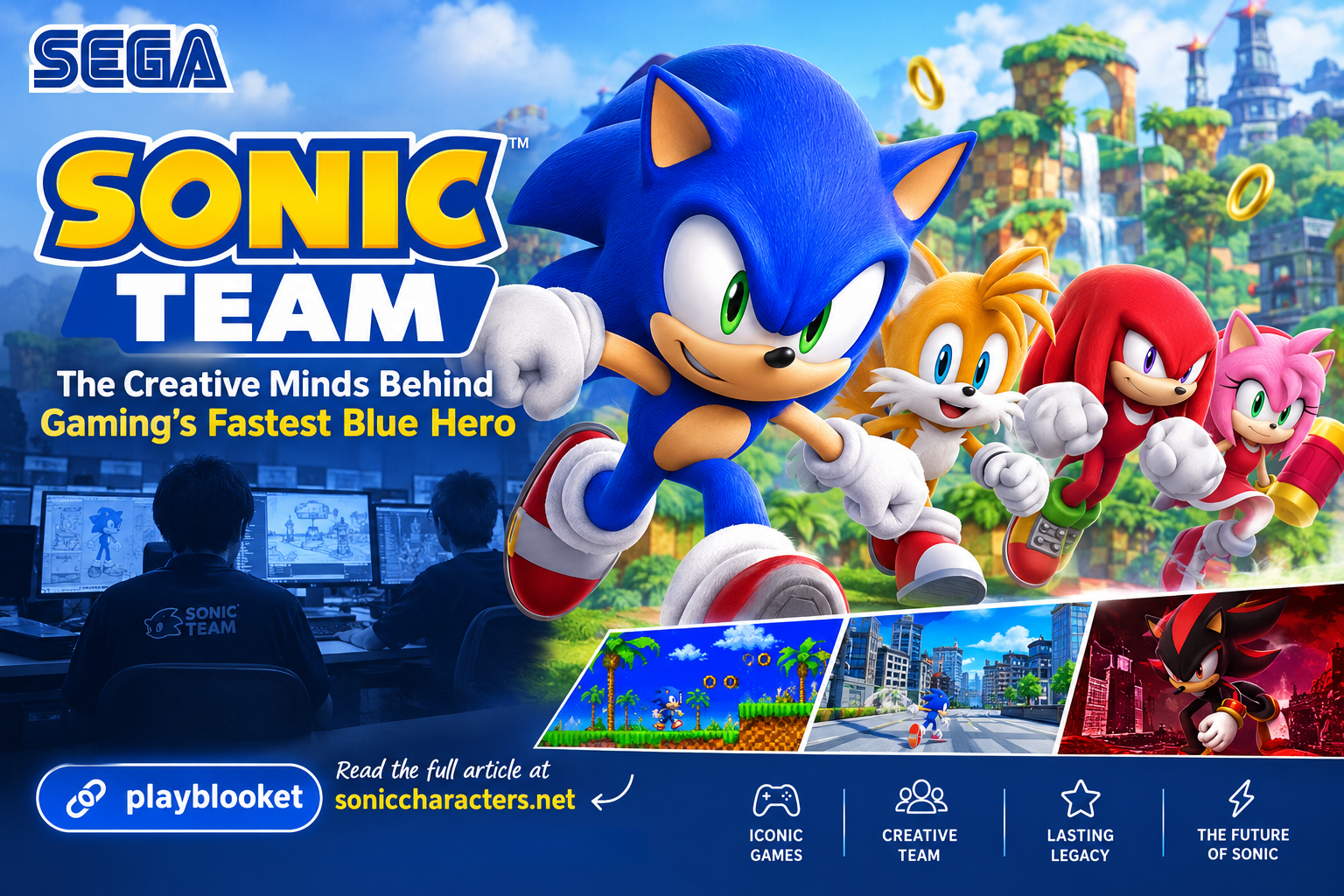
Few video game characters are as recognizable as Sonic the Hedgehog. With his blue spikes, confident attitude, and incredible speed, Sonic has entertained players for decades. Behind this famous character is Sonic Team, a Japanese game development group associated with some of Sega’s most memorable adventures. Its work has helped shape the identity of the Sonic franchise, from classic side-scrolling levels to modern three-dimensional worlds.
What makes the studio interesting is not simply the number of games connected to its name. It is the challenge of keeping a familiar character exciting for longtime fans while introducing him to people who may be playing their first Sonic game. Each generation expects something different, yet the series still needs to feel like Sonic.
The team’s history reflects the wider evolution of video games. Technology has changed, gaming platforms have become more powerful, and players now expect richer stories and more detailed environments. Through these changes, the blue hedgehog has remained at the center of Sega’s gaming identity.
What Is Sonic Team?
Sonic Team is a Japanese video game development group owned by Sega. It is best known for creating and developing games in the Sonic the Hedgehog series, which began in 1991. The studio’s work has included fast-paced platformers, three-dimensional adventures, racing experiences, and other projects connected to Sega’s gaming history.
The name is closely associated with Sonic, but its contribution goes beyond making a character run quickly across a screen. Developers must design levels, build movement systems, create enemies, develop visual effects, and balance difficulty so that a game feels enjoyable rather than frustrating.
A successful Sonic game needs more than speed alone. Players must understand where to go, recognize hazards, discover hidden routes, and react quickly when the environment changes. These elements require careful planning and repeated testing.
That balance between excitement and control is one of the defining challenges of the franchise. The studio has spent years exploring different ways to make familiar ideas work with new hardware and changing player expectations.
The Early History of the Studio
The roots of Sonic Team can be traced to Sega’s development work around 1990. At that time, Sega wanted a distinctive character and game that could compete in the growing console market. A development group that included programmer Yuji Naka, artist Naoto Ohshima, and designer Hirokazu Yasuhara helped bring the original Sonic concept to life.
Each contributor brought a different strength to the project. Programming made the character’s movement possible, visual design gave him a recognizable appearance, and level design created places where speed could become part of the challenge.
The original Sonic the Hedgehog arrived in 1991 for the Sega Genesis, also known as the Mega Drive in many markets. Its colorful environments, energetic soundtrack, loop-filled stages, and emphasis on momentum helped distinguish it from many platform games of the period.
The game also gave Sega a recognizable mascot. Sonic’s personality felt different from the slower, more cautious heroes found in some earlier adventures. He was confident, playful, and always ready to move forward.
The development group became widely associated with the Sonic Team name following the success of that first game. As the franchise grew, Sega continued to reorganize its development operations, so the studio’s corporate structure changed over the years. Its creative identity, however, remained strongly connected to Sonic.
Why the Original Sonic Game Made a Difference
The first Sonic game was built around an idea that sounds simple but requires careful execution: moving quickly should feel rewarding. Players could race through open stretches, run up slopes, travel through loops, and collect rings while avoiding dangerous obstacles.
However, speed was not the only way to progress. Some areas rewarded careful exploration, and players who rushed without paying attention could miss routes or collide with enemies. This mixture of momentum and decision-making helped the game remain interesting after the initial excitement faded.
The ring system also gave players a distinctive form of protection. Carrying rings allowed Sonic to survive a hit that would otherwise endanger him, although the rings scattered and had to be collected again quickly. This created tense moments without making every mistake immediately fatal.
The game’s soundtrack, bright colors, and memorable enemy designs strengthened its identity. Together, these elements made the adventure easy to recognize even in a crowded gaming market.
For Sega, the release established a character who could appear across sequels, merchandise, and other forms of entertainment. For players, it introduced a style of platforming that encouraged both quick reactions and curiosity.
Expanding the Adventure Beyond Two Dimensions
As gaming hardware developed, Sonic’s adventures began exploring three-dimensional environments. Moving from a side-scrolling game to a 3D world was not a simple visual upgrade. The developers had to reconsider camera movement, navigation, jumping distances, and how players understood their surroundings.
Sonic Adventure, released for the Dreamcast in 1998 in Japan and 1999 in North America, became an important step in that transition. It offered larger environments, more elaborate presentation, and different playable characters with their own objectives.
The move into 3D gave the franchise new opportunities. Designers could create expansive city settings, dramatic set pieces, and sequences that made Sonic’s speed feel different from the original games. At the same time, three-dimensional movement introduced challenges involving camera angles and precise platforming.
Later releases experimented with different structures. Some focused on high-speed action, while others combined exploration with combat, story sequences, or additional playable characters. Not every experiment appealed to every fan, but the willingness to try different approaches kept the series from remaining frozen in its earliest form.
This period illustrates an important part of the studio’s work: translating the feeling of a classic game into a different technological environment without losing its central identity.
Important Games Associated With Sonic Team
The franchise contains many releases, and each offers a slightly different interpretation of the Sonic experience.
Sonic the Hedgehog 2
Released in 1992, Sonic the Hedgehog 2 expanded the original formula and introduced Miles “Tails” Prower as a major companion character. Its levels encouraged faster movement, while new abilities and multiplayer options added variety.
The game helped establish ideas that would become familiar parts of the series. Tails became an important character in his own right, and the sequel showed that Sonic’s world could grow without abandoning the original game’s strengths.
Sonic CD
Sonic CD, released in 1993 for the Sega CD, introduced time-travel mechanics that allowed players to experience different versions of a level. Rather than treating a stage as one fixed location, the game encouraged players to consider how their actions affected its past and future.
Its music and visual style also helped it stand apart. The game demonstrated that the franchise could experiment with unusual mechanics while retaining recognizable platforming action.
Sonic Adventure 2
Sonic Adventure 2 arrived in 2001 and placed Sonic alongside Shadow the Hedgehog, a character whose serious personality contrasted with Sonic’s playful confidence. The game featured separate story routes and multiple styles of gameplay.
Shadow became a particularly important addition to the wider franchise. His relationship with Sonic introduced more emotional conflict and helped broaden the series’ cast beyond straightforward hero-versus-villain storytelling.
Sonic Heroes
Released in 2003, Sonic Heroes built its gameplay around teams of three characters. Players could switch between characters with different abilities to overcome obstacles, attack enemies, and explore stages.
This approach made teamwork a central mechanic rather than just a story theme. It also gave familiar characters different practical roles, creating variety within a consistent level structure.
Sonic Generations
Sonic Generations, released in 2011, celebrated the franchise’s history by bringing together classic-style and modern-style Sonic gameplay. Its stages revisited locations inspired by earlier games while presenting them through newer technology.
The concept worked because nostalgia was part of the experience, but it was not the entire experience. Revisiting familiar locations allowed players to compare how level design and movement had evolved over time.
Sonic Frontiers
Released in 2022, Sonic Frontiers took the franchise in a more exploratory direction. Its large environments allowed players to move between platforming challenges, puzzles, combat encounters, and story developments.
The change reflected a wider interest in games that give players greater freedom over how they approach objectives. Rather than following only a tightly controlled sequence of stages, players could explore and decide which activities to tackle first.
The result offered a different kind of Sonic adventure, one that used open areas to create a sense of discovery alongside the series’ familiar speed.
Sonic X Shadow Generations
Sonic X Shadow Generations, released in 2024, combines an updated version of Sonic Generations with a separate Shadow campaign. The collection brings together classic and modern Sonic gameplay while giving Shadow a new adventure featuring additional abilities and story elements.
The release demonstrates how older material can be presented to a new audience without simply copying the original experience. Updated presentation and a new campaign give returning players a reason to revisit familiar territory.
On October 26, 2026, Sega announced that the game had surpassed three million units sold worldwide, including physical copies and digital downloads. This milestone reflects continued interest in the franchise’s blend of nostalgia and newer content.
How Level Design Makes Sonic Different
One of the biggest challenges in developing a Sonic game is designing stages that support different playing styles. Experienced players may want to move through a level at full speed, while newcomers need time to understand its layout and hazards.
Good level design gives both groups something to enjoy. A wide path can reward confident movement, while an alternative route might contain collectibles or a more difficult platforming sequence. The player can choose how much risk to take.
Momentum also matters. Sonic should feel as though he has weight and movement rather than simply sliding across the screen. Slopes, springs, loops, and other environmental features help create a sense of physical rhythm.
A well-designed stage teaches players through experience. After encountering an obstacle once, they may recognize the pattern on a later attempt and pass through it more smoothly. This creates a satisfying sense of improvement.
The developers must also make hazards readable. If an obstacle appears too suddenly or the camera hides an important platform, failure can feel unfair. Careful placement, visual cues, and responsive controls help maintain the relationship between speed and player confidence.
Characters, Music, and Visual Identity
Sonic’s world is filled with characters who bring different personalities and motivations to the story. Tails is an inventive and loyal friend, Knuckles is strong and independent, Amy is energetic and determined, and Shadow often brings a more serious tone.
Dr. Eggman remains one of the franchise’s most recognizable antagonists. His machines and elaborate plans provide a recurring reason for Sonic to race into danger, while his personality adds humor to many encounters.
These characters help the series tell stories that go beyond reaching the end of a level. Rivalries, friendships, and changing alliances give players reasons to care about what happens next.
Music is equally important. Fast rhythms, memorable melodies, and distinctive themes help define the mood of individual stages. A strong soundtrack can make a level memorable long after the player has finished it.
Visual design completes the experience. Bright landscapes, unusual machinery, colorful enemies, and expressive animation create a recognizable world. Even when a game adopts a more realistic environment or a darker story, Sonic’s silhouette and movement remain central to its presentation.
Technology and the Challenge of Modern Game Development
Modern games require large amounts of work behind the scenes. Developers must coordinate programming, animation, sound, user interface design, level construction, quality assurance, and performance testing.
For a speed-focused game, performance is particularly important. If movement feels delayed or the frame rate becomes unstable during a fast sequence, the experience can suffer. The game must communicate information clearly while allowing the player to react quickly.
Three-dimensional environments add further complexity. Cameras need to follow the action without obstructing the view, and collision systems must behave consistently when Sonic moves through complicated geometry.
The team also has to account for different platforms and control methods. A game released across consoles and PC may need adjustments to interface design, performance settings, and controller support.
These technical decisions are not always visible to players, but they influence whether a game feels polished. A memorable character can attract attention, yet reliable controls and thoughtful design are what encourage people to keep playing.
The Relationship Between Sonic Team and Sega
Sega provides the broader publishing and business structure behind the Sonic franchise. Development teams work within that larger organization, while marketing, distribution, licensing, and other departments help bring games to audiences around the world.
The relationship is important because Sonic is more than a collection of individual games. The character appears in animated series, films, merchandise, promotional campaigns, and collaborations. Each release contributes to a wider brand that has grown beyond its original console audience.
The studio’s identity has also evolved through organizational changes. The Sonic Team name has been used across different stages of Sega’s development history, including periods when the group operated as a separate company and later became integrated back into Sega.
Understanding this history helps explain why the studio’s name may appear differently across older credits and reference materials. Corporate structures change, but the creative association with Sonic remains a useful way for fans to understand the people behind the games.
Why Fans Continue to Follow the Franchise
Long-running game series face a difficult problem: players want something new, but they also want the features that made them fans in the first place. Change too little, and a release may feel repetitive. Change too much, and the game may no longer feel familiar.
Sonic has managed this tension by returning to recognizable ideas while experimenting with new formats. Speed, colorful worlds, rival characters, collectibles, and energetic music remain familiar elements, even when the structure of an adventure changes.
Different generations of players also connect with the franchise in different ways. Some remember playing the Genesis games at home. Others discovered Sonic through three-dimensional adventures, handheld releases, animated shows, or modern console games.
The expansion into films and television has introduced the character to people who may not have grown up playing Sega hardware. Meanwhile, remasters and collections give older fans convenient ways to revisit classic stages.
The appeal is not limited to nostalgia. Sonic games can be approachable for casual players while offering challenging routes and replay opportunities for those who want to master a level. That flexibility helps the franchise reach a broad audience.
What the Future May Hold
The future of Sonic development will likely involve finding new ways to combine familiar mechanics with modern expectations. Players increasingly look for polished visuals, responsive controls, meaningful exploration, and stories that give characters room to develop.
There is also room to learn from earlier releases. Popular mechanics can return in improved forms, while less successful ideas can be refined or left behind. Long-running franchises benefit when developers pay attention to player feedback without allowing every design decision to be dictated by online opinion.
Technology will create new possibilities, but the central challenge will remain the same: making movement feel exciting and giving players interesting reasons to keep moving. A larger world is not automatically better, and faster gameplay is not automatically more enjoyable. Good design comes from knowing when to encourage speed and when to give players a moment to explore.
For Sonic, the strongest future may be one that respects the series’ history while allowing each new adventure to develop its own personality.
Conclusion
From the original 1991 platformer to modern adventures, Sonic’s journey reflects decades of changes in video game design. The series has moved across hardware generations, experimented with new mechanics, introduced memorable characters, and reached audiences through entertainment beyond gaming.
Sonic Team remains an important name in that story because its work is closely connected to the challenge of keeping the blue hedgehog relevant. The studio’s history includes celebrated successes, creative risks, and lessons learned through experimentation.
For longtime fans, the franchise offers familiar music, characters, and memories. For new players, it provides colorful worlds and fast-paced adventures that are easy to recognize. The most interesting part of its future will be seeing how developers balance these two audiences while discovering new ways to make Sonic’s next adventure feel fresh.