
Adventure
Classic video games have a special ability to bring back memories while introducing new players to the experiences that shaped the gaming industry. Among the many titles associated with retro gaming, Sonic the Hedgehog Genesis holds an interesting position. It brings the familiar blue hedgehog into a portable gaming experience while attempting to recreate the speed, movement, and level design that made the original adventure popular.
The original Sonic experience was built around momentum, quick reactions, colorful environments, and creative platforming challenges. Translating those elements into another gaming format was not an easy task. Players expected the same exciting movement and recognizable gameplay, but technical differences created new challenges for the developers.
For fans interested in gaming history, Genesis represents an interesting example of how developers revisit established classics. It also provides an opportunity to understand why the original Sonic formula remains memorable decades after its introduction.
In this article, we will explore its gameplay, physics, level design, development challenges, and lasting appeal.
1. Understanding the Genesis Edition of Sonic the Hedgehog
The name Genesis is closely associated with Sega’s classic gaming history. The Sega Genesis version of Sonic the Hedgehog originally introduced players to a fast-moving platform adventure that became one of the company’s most recognizable releases.
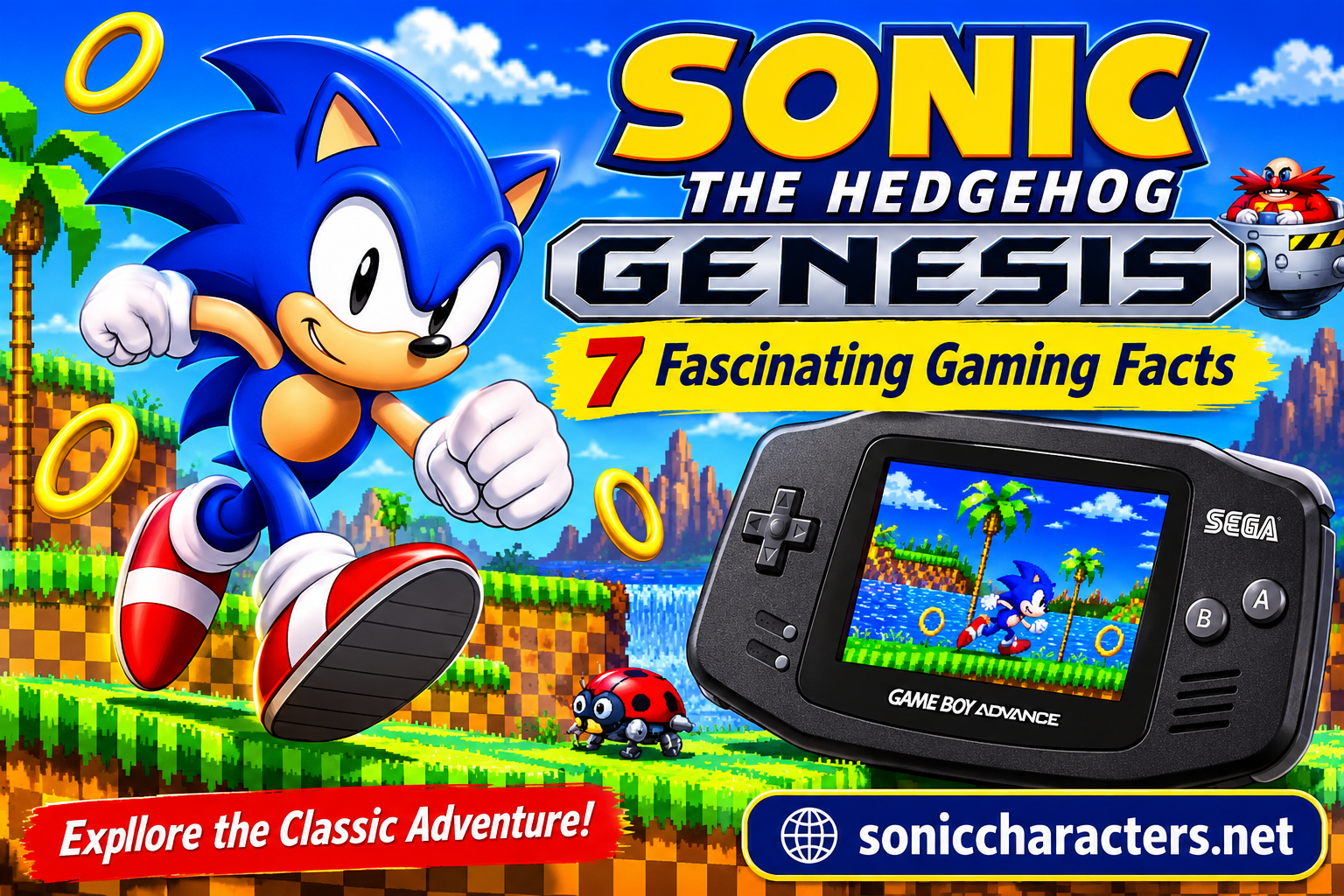
The later Sonic the Hedgehog Genesis edition was developed for the Game Boy Advance to celebrate the franchise’s history. Its main purpose was to bring the original adventure to a portable platform.
Rather than introducing an entirely new storyline, the game focused on recreating the familiar experience. Players could explore recognizable stages, collect rings, defeat enemies, and challenge Dr. Robotnik.
However, bringing a game designed for different hardware to a handheld system required several adjustments. Screen dimensions, processing capabilities, and control differences all influenced how the experience worked.
For longtime fans, this release offered a chance to revisit a familiar adventure. For younger players, it provided an introduction to one of gaming’s most recognizable platform characters.
2. Why Original Sonic Physics Were So Important
One of the most recognizable features of classic Sonic games is their movement system. Unlike traditional platform characters who simply run and jump, Sonic relies heavily on momentum.
The speed of the character changes depending on movement, terrain, slopes, and player input. This creates a gameplay experience where understanding the environment becomes just as important as pressing the correct buttons.
In the original game, running down a slope could increase speed, while climbing an incline could slow the character. Curved surfaces and loops also depended on maintaining enough momentum.
Reproducing these mechanics in Genesis was an important part of the challenge.
Players expected Sonic to feel responsive and fast. If movement felt too slow or jumping behaved differently, the experience could lose much of its original identity.
Physics also influenced level design. Developers needed to ensure that platforms, enemies, slopes, and obstacles worked properly with the movement system.
This explains why recreating a classic platform game involves much more than copying its graphics and stages. The underlying mechanics are equally important.
3. Familiar Gameplay With a Portable Experience
Sonic the Hedgehog Genesis attempts to bring the original platforming formula to a handheld audience. Its gameplay revolves around exploring stages, avoiding hazards, defeating enemies, and collecting valuable rings.
The main objective is straightforward: guide Sonic through each area while reaching the end of the stage safely.
However, the experience becomes more interesting because players can approach different sections in several ways.
Some areas encourage fast movement, while others require careful jumping and timing. Players must also pay attention to environmental hazards that can interrupt their progress.
The portable format makes these familiar mechanics accessible in shorter gaming sessions.
This is particularly useful for players who enjoy retro platform games but prefer playing on handheld hardware.
The Genesis release also highlights how important simple controls can be. A small number of buttons can create an engaging experience when the movement mechanics and level design work together.
4. Exploring the Importance of Level Design
Level design is one of the biggest reasons classic Sonic games remain recognizable.
Instead of creating stages that only move from left to right, the original design philosophy introduced different paths, vertical sections, hidden areas, and opportunities for exploration.
Players could move quickly through familiar routes or slow down to investigate alternative paths.
This approach gave the stages a sense of variety.
In Genesis, recreating these environments required careful attention to the relationship between level geometry and character movement.
A slope that works perfectly on one platform might behave differently on another. Similarly, narrow pathways and camera positioning can affect how comfortably players navigate an area.
Good level design should support the character’s movement rather than constantly interrupting it.
This is especially important in a speed-focused platform game. Players want opportunities to build momentum without feeling that the environment is working against them.
The most memorable Sonic stages combine visual creativity with practical gameplay challenges.
5. The Challenge of Recreating Classic Graphics
Visual presentation plays an important role in the identity of any retro game. Sonic’s colorful appearance, expressive animations, and distinctive environments helped establish the franchise’s recognizable style.
When developers recreated the experience for a handheld console, they had to consider the limitations of the smaller display.
The Game Boy Advance offered different technical capabilities compared with the original Sega hardware. As a result, developers needed to make decisions about screen presentation, animation, background details, and visual performance.
The Genesis edition aimed to preserve the appearance of familiar locations while adapting them for portable gameplay.
Character animations were particularly important. Sonic’s running, jumping, rolling, and falling movements needed to remain visually understandable during fast gameplay.
Background elements also helped establish the atmosphere of each stage. Bright colors, environmental details, and recognizable objects contributed to the classic platforming experience.
Although graphical technology has advanced considerably, many players still appreciate the artistic direction of older Sonic titles. Their visual simplicity allows the gameplay to remain the central attraction.
6. Rings, Enemies, and the Classic Reward System
Rings are among the most recognizable elements of Sonic gameplay. They are more than collectible objects because they influence how players approach challenges.
Collecting rings provides protection against certain enemy attacks and environmental dangers. When Sonic gets hit while carrying rings, he can lose them across the surrounding area.
This creates an interesting situation. Players must decide whether to move quickly through a dangerous section or slow down to collect additional rings.
The system introduces excitement without requiring complicated instructions.
Enemies also contribute to the challenge. Different opponents appear throughout the stages, requiring players to understand their movement patterns and choose appropriate ways to avoid or defeat them.
Some enemies can be defeated by jumping on them, while others require more careful timing.
In Genesis, these familiar elements help preserve the traditional gameplay structure. Rings encourage exploration, while enemies prevent players from simply rushing through every stage.
The result is a balance between speed and caution.
7. Technical Limitations and Development Challenges
Recreating an established video game for different hardware can involve several technical problems. Developers must consider performance, memory, screen resolution, controls, and the behavior of the original game engine.
These challenges become particularly noticeable in a platform game built around speed.
For example, a fast-moving character requires smooth screen scrolling. If the camera cannot keep up with the action, players may struggle to react to upcoming obstacles.
Physics calculations also need to remain consistent. Acceleration, jumping, collision detection, and interaction with slopes all contribute to the overall experience.
The Genesis project demonstrates why preserving the feeling of an older game is not always straightforward.
A successful adaptation needs to respect the original design while acknowledging the capabilities of the new platform.
Another important consideration is player expectations. Fans who already know the original Sonic game may immediately notice differences in movement or presentation.
Even small changes can influence how a familiar stage feels.
This makes retro adaptations an interesting subject for developers and gaming historians who want to understand the relationship between hardware and game design.
8. What Makes Sonic’s Speed-Based Gameplay Special?
Speed is an important part of Sonic’s identity, but the franchise is not simply about moving as quickly as possible.
The gameplay encourages players to learn the environment and recognize opportunities to build momentum.
A well-designed section allows Sonic to accelerate naturally. Curves, ramps, and slopes create movement opportunities that reward players who understand the mechanics.
However, speed can also create risks.
Moving too quickly into an unfamiliar section may result in hitting an enemy, falling into a hazard, or missing an important platform.
This balance is what makes the classic formula engaging.
The best moments happen when players understand the level well enough to move confidently without constantly stopping.
The Genesis experience attempts to deliver that familiar relationship between speed, control, and environmental awareness.
For players who enjoy traditional side-scrolling adventures, this approach offers a different experience from modern games that focus heavily on complex controls or extensive tutorials.
9. How the Game Contributes to Sonic’s History
Sonic’s history includes numerous mainline releases, portable adaptations, experimental projects, and anniversary editions.
Each release provides a different perspective on how the franchise has developed over time.
The original Sega Genesis adventure established many of the design ideas that became associated with the blue hedgehog. Its combination of colorful environments, memorable music, momentum-based movement, and accessible controls helped create a lasting identity.
Later releases explored different hardware and gameplay possibilities.
The Game Boy Advance adaptation became part of that broader history by attempting to bring the original adventure to a portable audience.
It also illustrates an important lesson about classic games: popularity does not automatically make an adaptation successful.
A title must preserve the qualities that made the original enjoyable while offering a technically suitable experience on its new platform.
For researchers and fans, Genesis is therefore an interesting example of the opportunities and difficulties involved in adapting established gaming experiences.
10. Why Retro Sonic Games Still Attract Players
Retro gaming continues to attract audiences because classic titles often focus on straightforward gameplay and memorable experiences.
Many modern games feature extensive stories, complicated progression systems, and large environments. Classic platformers offer a different approach by focusing on movement, timing, exploration, and challenges that players can understand quickly.
Sonic remains a recognizable character because his adventures combine these elements with a distinctive personality.
The Genesis release is particularly interesting for people who enjoy comparing older and newer versions of familiar games.
Players can examine how graphics, controls, physics, and hardware limitations influence the final experience.
Nostalgia is another important factor. People who grew up playing Sega games often enjoy returning to familiar stages and remembering the challenges they experienced during their childhood.
New players can also appreciate these titles because their basic gameplay ideas remain enjoyable.
11. Is Sonic the Hedgehog Genesis Worth Exploring Today?
Whether this release is worth exploring depends on what someone expects from a retro gaming experience.
Players interested in gaming history may find it valuable because it demonstrates the difficulties of adapting a classic platformer to different hardware.
Fans who enjoy traditional side-scrolling adventures can appreciate its familiar characters, recognizable gameplay elements, and classic level structure.
However, it is important to approach the release with realistic expectations. It does not necessarily provide an identical experience to playing the original Sega version on its intended hardware.
Players should consider the differences between platforms before deciding which version they prefer.
Comparing the two experiences can also be an enjoyable way to understand how game development has changed over time.
For anyone researching classic Sega releases, this adaptation offers an interesting discussion about preservation, technical limitations, and the expectations of longtime fans.
Conclusion
Sonic the Hedgehog remains an important name in video game history because its original adventures introduced a memorable combination of speed, momentum, exploration, and colorful platforming.
The Genesis adaptation represents an attempt to bring that familiar experience to another gaming platform. Although adapting the original physics and visual presentation created technical challenges, the project remains an interesting part of the franchise’s wider history.
From its recognizable ring system to its momentum-based movement, the game highlights the design principles that helped make Sonic popular.
For retro gaming enthusiasts, exploring this release provides an opportunity to appreciate both the creativity and technical difficulties involved in recreating a classic.
Ultimately, the lasting appeal of Sonic comes from its simple but engaging gameplay philosophy: give players an interesting world, responsive controls, and the freedom to build their own rhythm through every stage.