Introduction
Some video game characters become popular for a few years before audiences move on to something new. Others build a legacy that lasts for decades. Sonic the Hedgehog belongs to the second group. With his incredible speed, confident personality, and unforgettable adventures, Sonic has remained one of the most recognizable characters in gaming history. Since his debut in the early 1990s, the franchise has continued to attract longtime fans and introduce new players to its colorful world.
The success of the sonic game franchise comes from more than its famous blue hedgehog. Its combination of fast movement, imaginative environments, memorable music, challenging obstacles, and entertaining characters creates an experience that feels different from many other platform games. Each adventure offers opportunities to explore unusual locations, discover hidden areas, collect rings, and overcome creative challenges.
Sega has expanded the franchise across multiple gaming generations, experimenting with different styles while keeping the central personality of Sonic recognizable. From classic side-scrolling adventures to modern three-dimensional experiences, the series has developed into a major part of video game culture.
The sonic game series continues to attract players because it combines exciting challenges, colorful environments, and memorable characters in one entertaining experience.
1. How Sonic the Hedgehog Became a Gaming Icon
The story of Sonic began in 1991 when Sega introduced the character to the world. At the time, the gaming industry was filled with platform adventures, but Sega wanted something that could stand apart. Sonic’s speed, attitude, and distinctive appearance helped create an identity that immediately attracted attention.
Unlike traditional platform heroes who moved slowly through carefully designed levels, Sonic encouraged players to build momentum. Running across slopes, jumping between platforms, and avoiding dangerous obstacles became central parts of the experience.
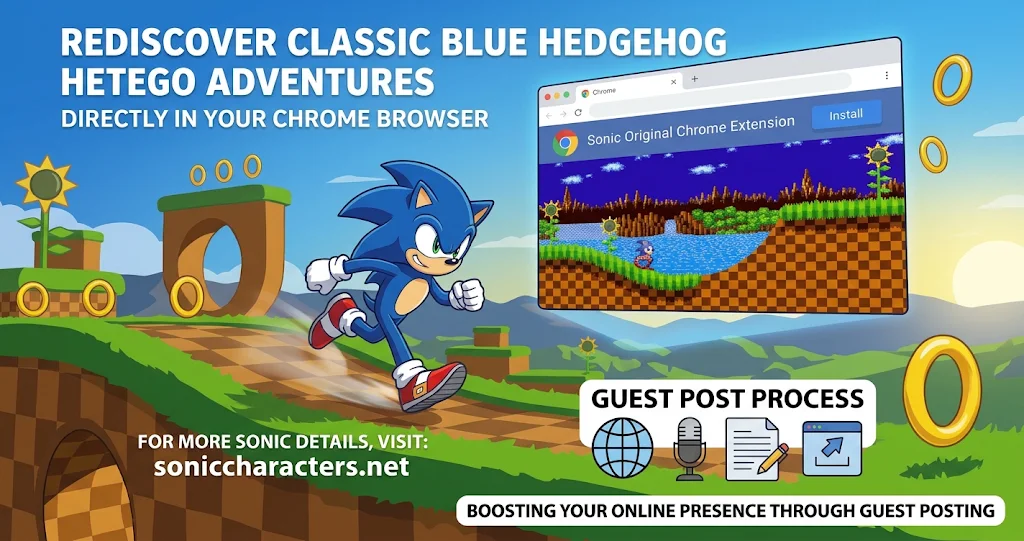
The original sonic game introduced players to Green Hill Zone, an environment filled with palm trees, colorful scenery, loops, and familiar enemies. Its design communicated the franchise’s personality without requiring lengthy explanations.
Sonic’s popularity quickly expanded beyond gaming. The character appeared in animated television shows, comic books, merchandise, and other entertainment projects. Over time, he became an important symbol of Sega’s identity.
Over the years, the sonic game franchise has developed a loyal fan base that appreciates its creative gameplay and recognizable characters.
2. Fast Gameplay That Creates a Different Experience
Speed is the most recognizable feature of the franchise, but simply moving quickly is not what makes the experience enjoyable. The real attraction comes from learning how to control momentum.
Players must understand when to accelerate, when to jump, and when to slow down. Some sections reward aggressive movement, while others require careful timing. A poorly judged jump can send Sonic into an obstacle, even when the player is moving at an impressive speed.
This balance makes the sonic game experience interesting for different types of players. Beginners can enjoy running through familiar stages, while experienced players can spend time learning shortcuts and improving their completion times.
Momentum also gives levels a sense of movement. Hills, ramps, springs, and loops are designed to interact with Sonic’s abilities. Rather than feeling like a collection of disconnected platforms, many environments encourage players to maintain a continuous flow.
Every sonic game offers opportunities to improve movement skills, discover shortcuts, and enjoy the excitement of high-speed adventures.
3. Memorable Worlds and Creative Level Design
One reason the franchise remains entertaining is its imaginative approach to level design. Sonic’s adventures rarely take place in ordinary environments. Players visit tropical landscapes, futuristic cities, mysterious ruins, underwater locations, and mechanical facilities.
Green Hill Zone remains one of the most recognizable locations in video game history. Its bright colors, rolling terrain, and familiar background music immediately establish the atmosphere of a classic Sonic adventure.
Other locations introduce different challenges. Chemical Plant Zone uses industrial surroundings and dangerous liquid obstacles. Casino Night Zone adds casino-inspired visuals, bumpers, and unusual interactive elements. Each location introduces a different visual identity.
A successful sonic game does not depend entirely on attractive graphics. Its environments must also support enjoyable movement. Hidden paths, alternative routes, springs, and obstacles encourage players to pay attention to their surroundings.
This combination of appearance and functionality helps make exploration rewarding.
Exploring different locations makes each sonic game feel fresh, giving players new environments and challenges to experience.
4. The Importance of Rings in Every Adventure
Golden rings are one of the franchise’s most recognizable features. They are not simply decorative objects placed throughout levels. Rings are connected to survival, progression, and the overall identity of Sonic.
Collecting rings provides players with an additional layer of protection. When Sonic gets hit while carrying rings, they scatter across the environment. Players may have an opportunity to recover some of them before they disappear.
This mechanic creates exciting moments. A player who has collected dozens of rings might suddenly lose them after making one mistake. Recovering even a small number can feel satisfying.
Rings also encourage exploration. Players often discover additional rewards by following alternative paths or reaching platforms that are not immediately visible.
In many entries, collecting rings is connected to special stages, bonus opportunities, or other objectives. Their familiar appearance helps connect different generations of the franchise.
5. Interesting Characters Beyond the Blue Hedgehog
Although Sonic is the central character, the franchise has introduced many personalities who contribute to its storytelling and gameplay.
Tails is one of Sonic’s closest friends. His ability to fly using his twin tails makes him useful in situations where Sonic cannot easily reach certain areas.
Knuckles brings a different personality to the group. He is powerful, determined, and often associated with protecting the Master Emerald. His climbing and gliding abilities provide alternative gameplay opportunities.
Amy Rose adds enthusiasm and determination to the series. Shadow the Hedgehog introduces a more serious personality and a complicated relationship with Sonic.
Other familiar characters include Cream, Rouge, Silver, Blaze, and Dr. Eggman. Each one adds something different to the fictional world.
These characters make the sonic game universe feel larger than a single-character adventure. They also provide opportunities for different abilities, stories, and gameplay styles.
The variety of characters also makes a sonic game more enjoyable because every personality brings something different to the adventure.
6. Dr. Eggman and the Franchise’s Memorable Villain
A great adventure needs an interesting opponent, and Dr. Eggman has become one of gaming’s most recognizable villains.
His obsession with technology and world domination creates many of the problems Sonic must solve. Eggman frequently builds enormous machines, dangerous robots, and unusual mechanical facilities.
Despite his villainous plans, his personality often includes humorous moments. His oversized appearance, dramatic reactions, and confidence make him an entertaining character.
The rivalry between Sonic and Eggman provides a consistent foundation for many stories. Sonic represents freedom, movement, and adventure, while Eggman often represents control, machinery, and artificial environments.
Their conflict gives players a clear reason to move through different stages and face increasingly difficult challenges.
7. From Classic 2D Adventures to Modern 3D Worlds
The franchise has changed significantly since its original release. Early titles focused primarily on two-dimensional platforming, where players moved from left to right while jumping across obstacles.
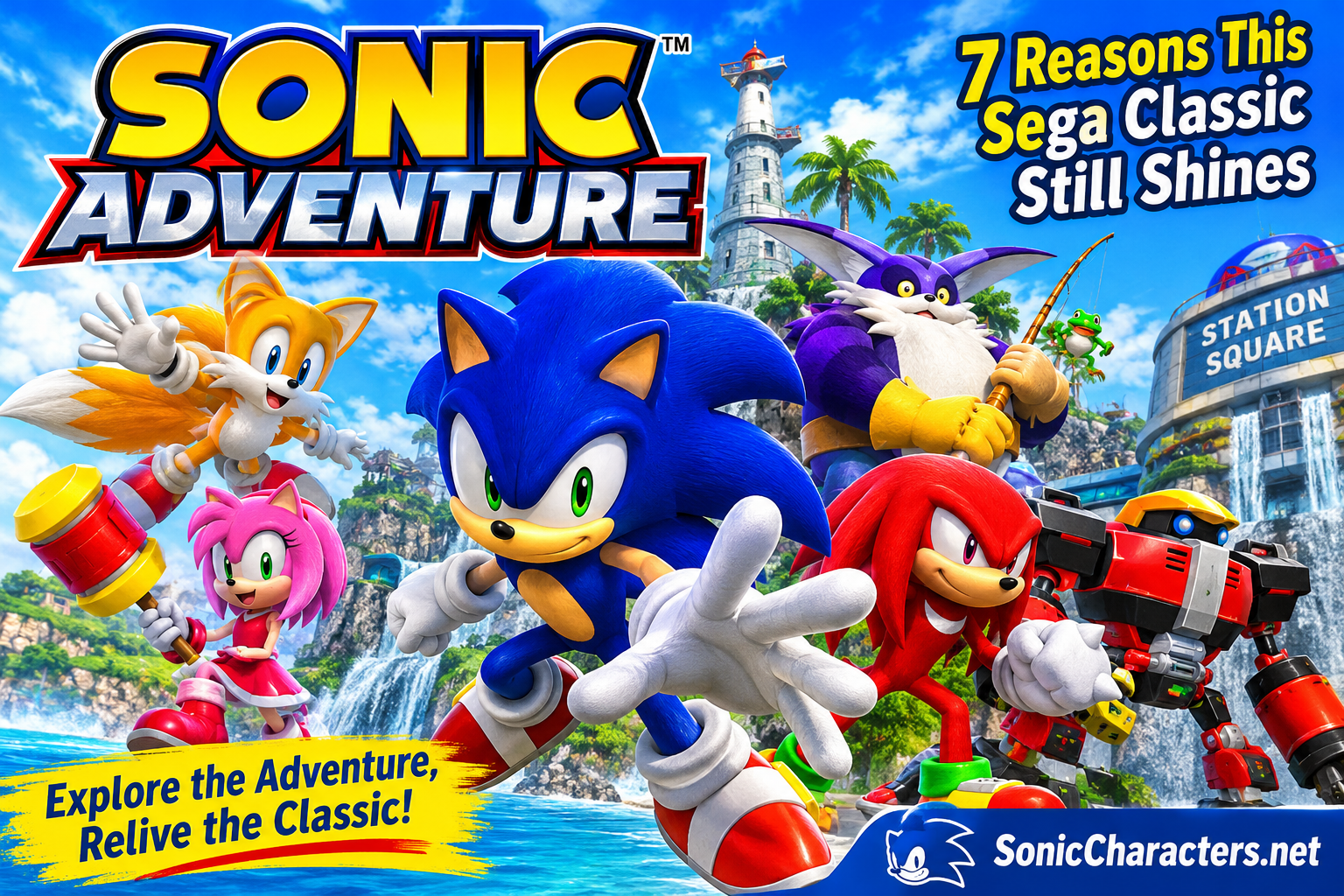
As gaming technology developed, Sega experimented with three-dimensional environments. Sonic Adventure introduced a more expansive presentation, multiple playable characters, and a larger world.
Later releases explored different approaches to movement and storytelling. Some focused on high-speed action, while others included exploration, combat, or additional gameplay mechanics.
Modern entries have continued experimenting with how players experience Sonic’s world. Open-zone environments provide more freedom to explore, discover challenges, and approach objectives at different speeds.
The evolution of the sonic game series demonstrates how a long-running franchise can experiment without completely abandoning its original identity.
8. Music That Makes Every Level More Memorable
Music has always played an important role in Sonic’s identity. Many players recognize classic stage themes within seconds, even years after first hearing them.
The soundtrack of the original games used energetic electronic sounds that matched the fast movement on screen. Later releases introduced a wider range of musical styles, including rock, orchestral arrangements, and electronic compositions.
Different environments also receive different musical personalities. A peaceful stage may use cheerful melodies, while a dangerous location may feature intense rhythms.
Music helps players connect with individual stages. It can make a familiar level feel exciting again, even after multiple playthroughs.
A memorable sonic game soundtrack does more than fill silence. It supports the atmosphere, improves the pacing, and creates lasting associations with particular moments.
A memorable soundtrack can turn an ordinary level into an unforgettable moment in any sonic game.
9. Why Different Generations Continue Playing Sonic
One of the franchise’s biggest strengths is its ability to attract players from different age groups.
Older fans may remember playing the original titles on Sega Genesis hardware. For them, Sonic represents a connection to childhood memories and an important period in gaming history.
Younger audiences may discover the character through modern console releases, animated adaptations, or online gaming discussions.
The franchise also offers different ways to enjoy its adventures. Some players focus on completing every level, while others prefer finding collectibles, improving their times, or exploring optional routes.
This flexibility allows the sonic game experience to remain approachable without removing its challenges.
Nostalgia certainly contributes to its popularity, but new releases and updated gameplay ideas help keep the franchise relevant.
Modern players and longtime fans can both find a sonic game that matches their preferred gameplay style.
10. The Role of Sega in Expanding the Franchise
Sega has played a central role in developing and publishing Sonic adventures. Over the years, the company has worked with different development studios to bring new ideas into the franchise.
Sonic Team has been particularly important in shaping the series. Other developers, including Dimps and Traveller’s Tales, have also contributed to different releases.
These collaborations have allowed the franchise to explore different hardware platforms and gameplay approaches.
The games have appeared across Sega systems, Nintendo consoles, PlayStation platforms, Xbox devices, PC, and portable gaming systems.
This broad availability has helped introduce Sonic to audiences who may never have experienced the original Sega hardware.
The franchise’s development history also shows that a recognizable character can support many different creative interpretations.
Exploring the Different Types of Sonic Games
Not every Sonic adventure follows exactly the same structure. The franchise includes several major gameplay styles, each offering a different experience.
Classic Side-Scrolling Platformers
Classic titles focus on two-dimensional movement. Players run, jump, collect rings, defeat enemies, and reach the end of each stage.
These games emphasize momentum and level knowledge. Players who learn the layout can discover shortcuts and complete stages more efficiently.
Three-Dimensional Adventures
Three-dimensional entries introduce larger environments and new ways to control Sonic.
Depending on the release, players may explore different areas, complete missions, fight enemies, or travel through high-speed stages.
These games attempt to translate Sonic’s recognizable speed into a three-dimensional environment.
Racing Adventures
The franchise has also explored racing experiences. Instead of concentrating only on traditional platforming, these titles place characters in competitive races.
Players can choose familiar characters, navigate tracks, and use different abilities or items.
Team-Based Experiences
Some releases introduce team mechanics, allowing players to control multiple characters with different abilities.
These approaches provide additional variety and demonstrate how the franchise can experiment with familiar characters.
What Makes Sonic Different From Other Platform Games?
Many platform games feature jumping, collectibles, enemies, and colorful environments. Sonic uses these familiar ingredients but combines them with a stronger emphasis on momentum.
The player is encouraged to understand the relationship between speed and control. Moving quickly can create exciting opportunities, but rushing through every obstacle is not always the best strategy.
Another difference is the way levels often contain multiple routes. A player traveling along the ground might experience a different sequence from someone who reaches a higher platform.
This creates replay value. Returning to a familiar stage can reveal shortcuts, hidden areas, and opportunities that were missed earlier.
The sonic game formula is therefore built around both action and discovery. Players can enjoy the immediate excitement of movement while gradually learning the deeper structure of each level.
Tips for New Players Starting Their First Adventure
New players do not need extensive experience with platform games to enjoy Sonic. A few simple habits can make the experience more comfortable.
Learn the movement controls: Spend time understanding acceleration, jumping, and any special abilities available in the selected release.
Watch the environment: Obstacles may appear quickly, especially in sections designed around high-speed movement.
Collect rings carefully: Rings provide protection, so collecting them can help players survive difficult sections.
Explore alternative routes: Do not assume the obvious path is always the only path. Higher platforms and hidden passages may contain additional rewards.
Practice difficult sections: Some obstacles require precise timing. Repeating a section can help develop better control.
Try different characters: When a release offers multiple playable characters, experiment with their abilities to discover a preferred style.
The best approach is to enjoy the adventure rather than worrying about completing every stage perfectly on the first attempt.
Choosing the right sonic game is a great starting point for anyone interested in exploring this legendary gaming universe.
How Sonic Continues to Influence Gaming Culture
Sonic has become more than a video game character. His image appears in entertainment, merchandise, fan communities, and popular discussions about gaming history.
The franchise has inspired generations of players to create fan art, music arrangements, gameplay videos, and discussions about their favorite stages.
Animated adaptations have introduced the character to audiences who may not regularly play video games. Movies and television projects have also helped expand his popularity beyond traditional gaming communities.
Online communities provide another way for fans to share experiences. Players discuss level designs, compare different releases, discover secrets, and debate which adventures offer the best overall experience.
This continued engagement helps keep the franchise visible between major releases.
The Future of the Sonic Franchise
The future of Sonic depends on balancing familiar elements with fresh ideas. Players want the speed, recognizable characters, and colorful worlds that define the series, but they also appreciate new mechanics and creative level designs.
Developers have many opportunities to explore different directions. Improved hardware can support larger environments, more detailed animations, and smoother movement systems.
There is also room for more experimental adventures involving different characters and gameplay styles.
However, the central attraction should remain recognizable. Sonic’s personality, the importance of momentum, and the excitement of exploration are essential parts of the franchise.
A successful sonic game should respect the qualities that made the character popular while offering something interesting for modern audiences.
Whether you enjoy classic platforming or modern adventures, a sonic game provides plenty of opportunities for entertainment and exploration.
Conclusion
Sonic the Hedgehog has earned its place as one of the most recognizable names in video game history. From the original Sega Genesis adventures to modern releases, the franchise has continued evolving while preserving its most important qualities.
Its popularity comes from a combination of fast movement, creative level design, memorable characters, entertaining villains, and energetic music. These elements work together to create adventures that are enjoyable for both newcomers and longtime fans.
Whether someone prefers classic side-scrolling levels, three-dimensional exploration, or competitive racing, the Sonic universe offers different ways to experience its characters and environments.
The lasting appeal of the series shows that great gameplay does not need to follow a single formula. With creativity, personality, and a willingness to experiment, Sonic continues to deliver memorable experiences to players around the world.